construction industry

CAFM-Blog.de | Creating BIM Models: From Planning to Implementation

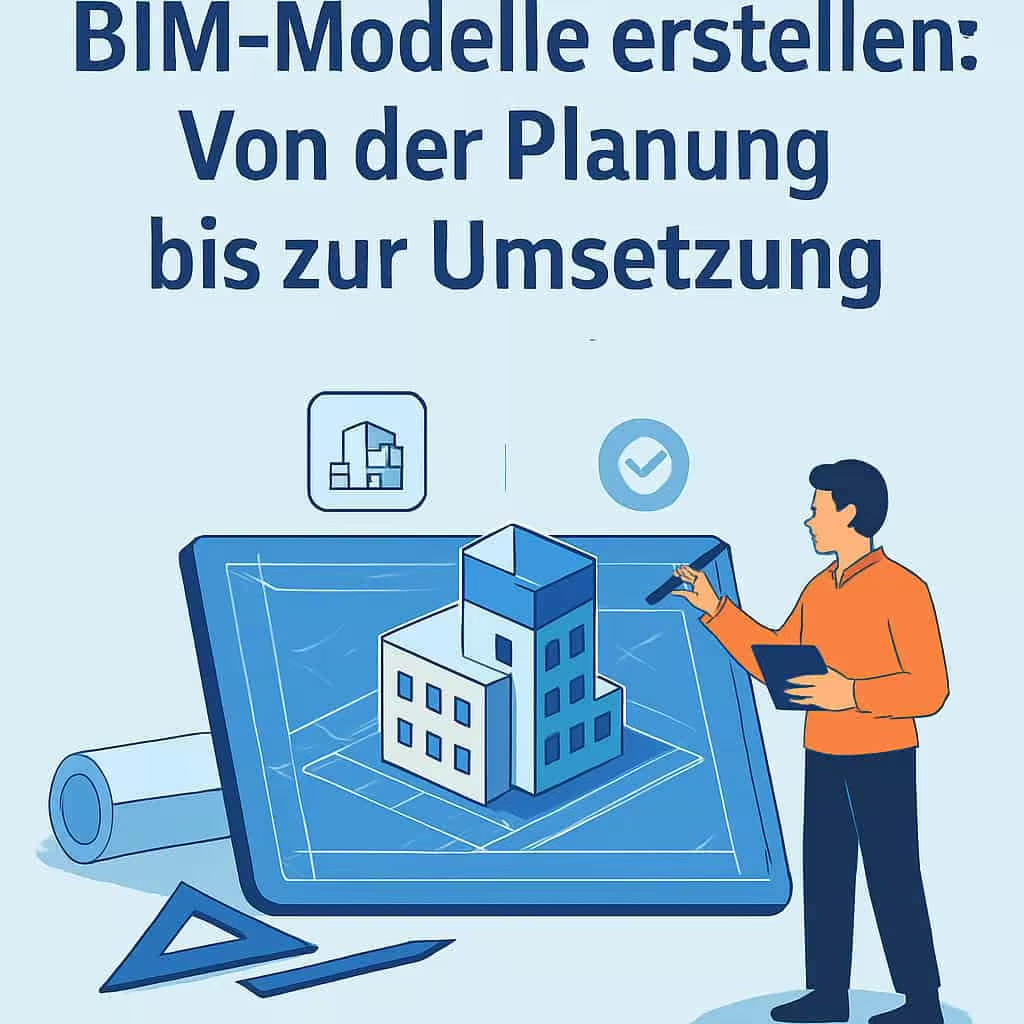
Creating BIM Models: From Planning to Implementation

BIM modeling is like drawing a huge, detailed picture where every brushstroke is crucial. And the whole thing in multiple dimensions. And perhaps even with a timestamp :-) In any case, BIM tools enable architects, engineers, and clients to create a digital replica of a project that contains all the necessary information – from the planning phase to final implementation. So, what exactly is Building Information Modeling? You could say it's about [...]

Creating BIM Models: From Planning to Implementation Read more »

CAFM-Blog.de | BIM Models in Practice: How to Optimize Your Building Management

BIM Models in Practice: How to Optimize Your Building Management

In the European construction industry, BIM modeling is not just a trend, but a necessity. But what exactly is a BIM model? It is a digital representation of the physical and functional characteristics of a building, enabling all relevant data to be consolidated in an integrated platform. This Building Information Modeling revolutionizes the way we plan, build, and manage buildings. With the increasing complexity of construction projects, the importance of BIM software

BIM Models in Practice: How to Optimize Your Building Management Read more »

CAFM-Blog.de | The Most Important Cost Groups According to DIN 276 Simply Explained

The Most Important Cost Groups According to DIN 276 Simply Explained

In the field of construction and project planning, DIN 276 plays a central role, especially when it comes to structured cost estimation. This standard divides construction costs into different cost groups, which is essential for transparent and comprehensible cost planning. But what exactly is hidden behind the terms of the DIN 276 cost groups? To put it simply: DIN 276 2018 offers a systematic classification of costs that allows architects, engineers, and

The Most Important Cost Groups According to DIN 276 Simply Explained Read more »

CAFM-Blog.de | VDMA 24186: Guide for Professional Facility Management

VDMA 24186: Guide for Professional Facility Management

The VDMA 24186 represents a crucial guide for Facility Management, encompassing not only the requirements for the planning and execution of technical systems but also laying the foundation for efficient building automation. In an era where energy efficiency and sustainable practices in construction are increasingly important, this standard offers valuable guidelines for all stakeholders in Facility Management. The VDMA 24186 standard is therefore not just a document,

VDMA 24186: Guide for Professional Facility Management Read more »

CAFM-Blog.de | Understanding the IFC Standard: Basics of digital building data transfer

Understanding the IFC Standard: Fundamentals of Digital Building Data Transfer

In the digital age, it is essential that all parties involved in construction have access to the same information and can collaborate effectively. This is where the IFC standard comes into play. This standard enables efficient and structured communication between different software solutions and professionals. Given the increasing complexity of construction projects and the growing importance of BIM (Building Information Modeling), understanding the IFC standard becomes a fundamental prerequisite for successful construction and Facility Management. The IFC standard, also known as

Understanding the IFC Standard: Fundamentals of Digital Building Data Transfer Read more »

CAFM-Blog.de | GFA Calculation: Practical Tips for Facility Managers

BGF Calculation: Practical Tips for Facility Managers

Calculating the gross floor area (BGF) can seem like an impenetrable jungle of numbers and standards for many facility managers. But don't worry, we're here to shed some light on it! In this introduction, we will provide you with important basics and practical tips so that you can not only understand BGF calculation but also apply it efficiently. The BGF is an essential component of building area calculation and plays a crucial role

BGF Calculation: Practical Tips for Facility Managers Read more »

CAFM-Blog.de | DIN 277 explained simply: How non-architects can understand the standard

DIN 277 Explained Simply: How Non-Architects Can Understand the Standard Too

DIN 277 is an important standard that many people in the construction and facility management industry encounter. But what exactly is hidden behind this jumble of numbers and letters? It is often seen as a dry regulation, yet its application can be crucial for the planning and realization of construction projects. To put it simply: DIN 277 defines how areas in buildings are calculated – and this doesn't just concern architects! Here

DIN 277 Explained Simply: How Non-Architects Can Understand the Standard Too Read more »

CAFM-Blog.de | The Role of DIN 276 in Cost Accounting for Construction Projects

The Role of DIN 276 in Cost Accounting for Construction Projects

When it comes to cost planning in construction, DIN 276 is almost indispensable (just like DIN 277, but that's not what this is about). This standard has established itself as a cornerstone for construction cost accounting and offers both professionals and clients a clear structure for efficiently capturing and managing the financial aspects of construction projects. In today's fast-paced construction industry, where time is money and cost transparency is paramount

The Role of DIN 276 in Cost Accounting for Construction Projects Read more »

CAFM-Blog.de | CDE in BIM Projects: An Overview

CDE in BIM Projects: An Overview

In the struggling construction industry, CDE systems (CDE: 'common data environment') play a crucial role in the successful implementation of BIM projects. These software solutions not only enable data integration but also promote collaboration among various stakeholders in the construction sector. According to a study by McGraw Hill Construction, around 75% of construction companies reported that implementing a CDE in BIM improved their efficiency and productivity. Among the benefits

CDE in BIM Projects: An Overview Read more »

CAFM-Blog.de | Risk Management in Real Estate Development

Risk Management in Real Estate Development

Risk management plays a central role in real estate development, as it forms the basis for informed decisions and strategic planning. In a sector characterized by uncertainties and unpredictable market developments, a systematic approach to identifying, assessing, and managing risks is essential. Real estate developers face a variety of challenges, including economic fluctuations, regulatory changes, and technological innovations. Effective risk management enables developers to identify potential dangers early on.

Risk Management in Real Estate Development Read more »

CAFM-Blog.de | Challenges in Implementing BIM in Administration

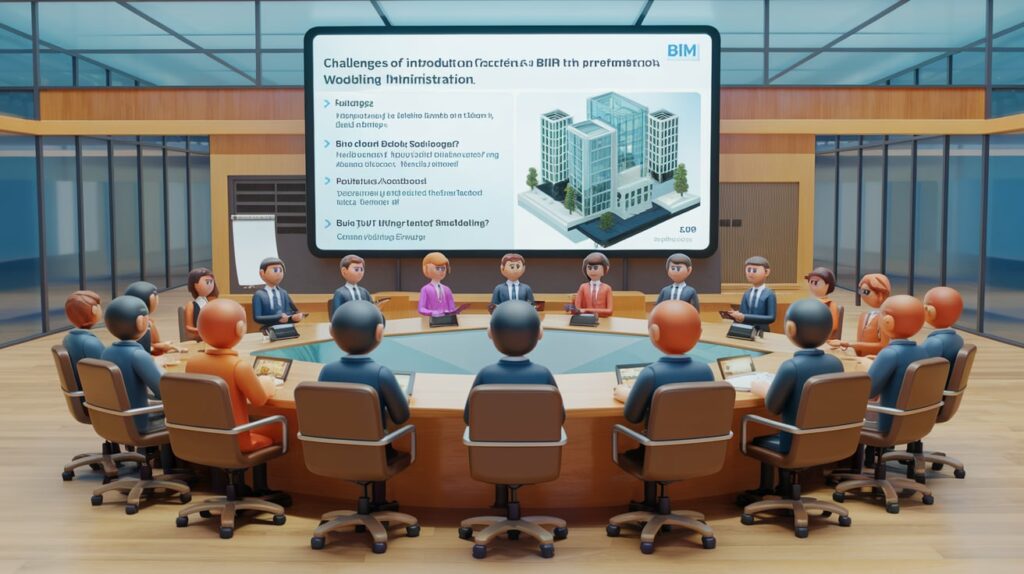
Challenges in introducing BIM in administration

The implementation of Building Information Modeling (BIM) in public administration presents a complex challenge that requires in-depth knowledge of the technology and its application possibilities. BIM is a digital representation of the physical and functional characteristics of a building. This method enables comprehensive planning, control, and management of construction projects throughout their entire lifecycle. In the context of public administration, this includes the phases of planning, construction, operation, and

Challenges in introducing BIM in administration Read more »

CAFM-Blog.de | CPIP: What's behind intelligent buildings?

CPIP: What's the deal with intelligent buildings?

Intelligent buildings, also known as smart buildings, are modern structures that integrate advanced technologies to achieve energy efficiency, security, comfort, and operating cost optimization. These buildings use a network of sensors, actuators, and control systems for data collection, analysis, and response. The main goal is to create an efficient and sustainable building environment that optimally meets user requirements. The functionalities of intelligent buildings include, among others: Automatic adjustment of lighting and room climate Monitoring and

CPIP: What's the deal with intelligent buildings? Read more »

CAFM-Blog.de | Facility Management 4.0: Digital Transformation in Building Management

Efficient Property Management: Tips and Tricks

Efficient property management is essential for the optimal operation of residential and commercial properties. It coordinates all aspects of property management, including maintenance, repairs, tenant communication, and budgeting. Professional management preserves property value and increases tenant satisfaction. Furthermore, it ensures compliance with legal and regulatory requirements and minimizes potential liability risks. Effective property management is based on careful planning and organization. Its tasks include managing rental agreements and monitoring payments

Efficient Property Management: Tips and Tricks Read more »

CAFM-Blog.de | Point Cloud: The Future of 3D Surveying

Point Cloud: The Future of 3D Surveying

The emergence of point clouds is closely linked to the development of 3D surveying technologies. In recent decades, surveying technology has evolved significantly, and the introduction of laser scanners and 3D cameras has made it possible to create precise and detailed 3D models of objects and environments. The point cloud is the result of these technologies, where a large number of points in space are captured to create an accurate 3D model. These points contain information [...]

Point Cloud: The Future of 3D Surveying Read more »

CAFM-Blog.de | Facility Management 4.0: Digital Transformation in Building Management

Sustainable Construction with Ecological Building Materials

Sustainable construction with ecological building materials is an increasingly important topic in the construction industry. Ecological building materials are materials made from renewable resources that have a low environmental impact. Unlike conventional building materials, which are often made from non-renewable resources such as concrete and steel, ecological building materials offer a more environmentally friendly alternative. By using ecological building materials, the ecological footprint of construction projects can be significantly reduced. This is particularly

Sustainable Construction with Ecological Building Materials Read more »

Scroll to Top