This not only contributes to

CAFM-Blog.de | Hyper-automation for FM Service Providers

Hyper-automation for FM service providers

Hyperautomation is a significant concept in Facility Management (FM) that has gained increasing relevance in recent years. This concept aims to optimize processes, reduce costs, and increase efficiency. By using hyperautomation, FM service providers can automate recurring tasks and deploy their resources more effectively. The implementation of hyperautomation enables FM companies to react more quickly to changing requirements and improve service quality for customers […].

Hyper-automation for FM service providers Read more »

CAFM-Blog.de | The Future with Edge Computing

The Advantages of Virtualization in IT

Increasing efficiency through resource optimization is a key factor in the IT infrastructure of modern companies. Virtualization technologies enable improved resource utilization and maximum server utilization. This leads to more efficient use of existing hardware and optimization of the IT infrastructure without additional purchases. Server consolidation and application virtualization can reduce operating costs and increase IT system performance. Another advantage of resource optimization is the minimization of downtimes. Server virtualization enables redundancies and increases reliability, ensuring business processes can continue uninterrupted.

The Advantages of Virtualization in IT Read more »

Futuristic city with sustainable, green buildings and skyscrapers.

Efficient Management with CAFM Software

Computer Aided Facility Management (CAFM) software is a technological solution for optimizing facility management processes in companies. This software enables the centralized management of various facility management tasks, including space and floor management, maintenance, move management, and energy management. CAFM systems offer a range of functions and modules for effective resource utilization and cost reduction. By integrating data and processes, CAFM software supports companies in efficient property management and productivity enhancement. The implementation of CAFM software in

Efficient Management with CAFM Software Read more »

CAFM-Blog.de | Integration of Low-Code/No-Code in IT Infrastructures

Integration of Low-Code/No-Code in IT Infrastructures

Low-code/no-code is an innovative development method in software creation. This method enables the development of applications with minimal or no programming. Low-code development uses visual development tools that allow users to create applications by assembling pre-built components. No-code development goes a step further, enabling even individuals without technical expertise to create applications using predefined templates and visual tools. In recent years, the low-code/no-code movement has gained significant importance

Integration of Low-Code/No-Code in IT Infrastructures Read more »

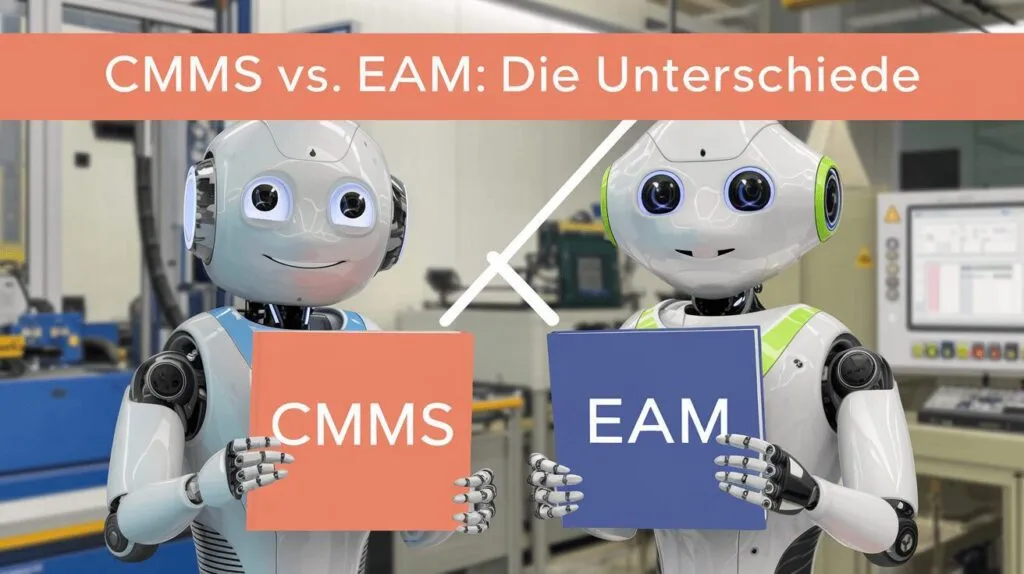
CAFM-Blog.de | CMMS vs. EAM: The Differences

CMMS vs. EAM: The Differences

Software integration is a central aspect of modern information technology. It enables seamless interaction between different applications and systems. Through integration, companies can increase their efficiency and productivity by optimizing the exchange of data and processes between different systems. A significant advantage of software integration is the ability to improve existing systems and introduce new technologies without having to completely redesign the IT infrastructure. This makes

CMMS vs. EAM: The Differences Read more »

CAFM-Blog.de | Efficient Property Management with CAFM Software

Efficient CAFM Software for Large Companies

Computer Aided Facility Management (CAFM) software is an essential tool for large companies to efficiently manage their real estate and facility management processes. This software enables effective management of properties and facilities, optimization of maintenance processes, planning and monitoring of resources, and ensuring compliance with legal regulations. CAFM software provides important data and analyses to support informed decisions and increase operational efficiency. In the digital age, the use of

Efficient CAFM Software for Large Companies Read more »

CAFM-Blog.de | Efficient Property Management with CAFM Software

Best Practices for Effective CAFM Utilization

Computer Aided Facility Management (CAFM) software is a powerful tool for the efficient management of real estate and technical facilities. This software solution offers a range of functions that support facility managers in carrying out their tasks. Key functions include: – Resource management – Maintenance planning – Inventory tracking – Optimization of operational processes CAFM software can contribute to cost reduction, productivity increase, and safety improvement. The implementation of CAFM software requires careful planning and preparation. Important steps include:

Best Practices for Effective CAFM Utilization Read more »

CAFM-Blog.de | Efficient CAFM Software Implementation

Efficient CAFM Software Implementation

Implementing CAFM software (Computer Aided Facility Management) is an important step towards optimizing facility management in companies. CAFM systems enable efficient management of buildings, assets, and resources. They support the planning, control, and monitoring of facility management processes. The main benefits of CAFM software include: 1. Process optimization: Automation and standardization of workflows 2. Cost savings: More efficient resource utilization and maintenance planning 3. Improved compliance: Adherence to regulations and safety standards 4. Data-driven decision-making: Comprehensive

Efficient CAFM Software Implementation Read more »

CAFM-Blog.de | Digital Transformation in Facility Management

Digital Transformation in Facility Management

Digital transformation has had a profound impact on all economic sectors in recent years, including facility management. The integration of digital technologies in this area enables companies to optimize their operational processes, achieve cost savings, and increase efficiency. By using IoT devices, big data analytics, artificial intelligence, and automated processes, facility managers can capture and analyze real-time data to make informed decisions and improve the performance of their facilities. Digital transformation promotes

Digital Transformation in Facility Management Read more »

CAFM-Blog.de | The Advantages of CAFM Solutions for Companies

The Benefits of CAFM Solutions for Companies

Efficient resource planning is a central component of modern building management. It includes the strategic management of energy, water, and materials to reduce operating costs and minimize environmental impact. Effective resource planning is based on a detailed analysis of current consumption and the implementation of optimization measures. Common strategies include: 1. Installation of energy-efficient lighting systems 2. Use of water-saving devices 3. Use of sustainable building materials A key aspect of resource planning is continuous monitoring

The Benefits of CAFM Solutions for Companies Read more »

CAFM-Blog.de | Facility Management Software: Efficient Management Solutions

Facility Management Software: Efficient Management Solutions

Facility management software is a specialized technology solution for the efficient management and optimization of company resources and infrastructure. This software provides a centralized platform for managing real estate, facilities, and other operational resources. It enables effective planning of maintenance work, optimization of resource utilization, and reduction of operating costs. A key advantage of facility management software is the improvement of operational efficiency and productivity. By automating processes and

Facility Management Software: Efficient Management Solutions Read more »

CAFM-Blog.de | Simplify Maintenance with a CMMS

Simplify Maintenance with a CMMS

A Computerized Maintenance Management System (CMMS) is a specialized software solution for optimizing and managing maintenance processes in companies. It serves as a central system for planning, coordinating, and monitoring maintenance activities. CMMS solutions aim to increase maintenance efficiency, reduce downtime, and maximize asset lifespan. Typical CMMS functions include: Maintenance planning and scheduling Management of spare parts and inventory Recording and documentation of maintenance data Generation

Simplify Maintenance with a CMMS Read more »

CAFM-Blog.de | Efficient Contract Management According to §2b UStG

Efficient Contract Management according to §2b UStG

The introduction of §2b of the German Value Added Tax Act (UStG) has significant implications for contract management in legal entities under public law. This paragraph regulates the VAT treatment of services provided by legal entities under public law. In contract management, this means that public law corporations must review their activities for their VAT relevance. This particularly affects services provided within the scope of public authority, as well as collaborations between public institutions. The correct

Efficient Contract Management according to §2b UStG Read more »

CAFM-Blog.de | What Are Containers in Software Development?

The Future of Low-Code/No-Code Platforms

Low-code/no-code platforms are innovative development environments that enable the creation of applications without extensive programming knowledge. These platforms use visual development tools and pre-built components to simplify and accelerate the development process. Low-code platforms automatically generate a large part of the code, while no-code platforms can be used entirely without manual programming. Users can create complex applications using intuitive drag-and-drop functions and modular building blocks. The use of low-code/no-code platforms has increased significantly in recent years. They offer companies the opportunity to

The Future of Low-Code/No-Code Platforms Read more »

CAFM-Blog.de | Organizational Fault 2025 in FM: How to Avoid It

Organizational Fault 2025 in FM: How to Avoid It?

In the complex world of facility management, organizational fault (or the preceding organizational failure or even "just" organizational negligence) can have far-reaching consequences that go beyond immediate physical damage. From potential property damage and personal injury to long-term damage to a company's reputation, the risks are high. This article examines what organizational negligence (because that is at least the accusation in question...) means, what types of damage can occur, and effective

Organizational Fault 2025 in FM: How to Avoid It? Read more »

Scroll to Top