
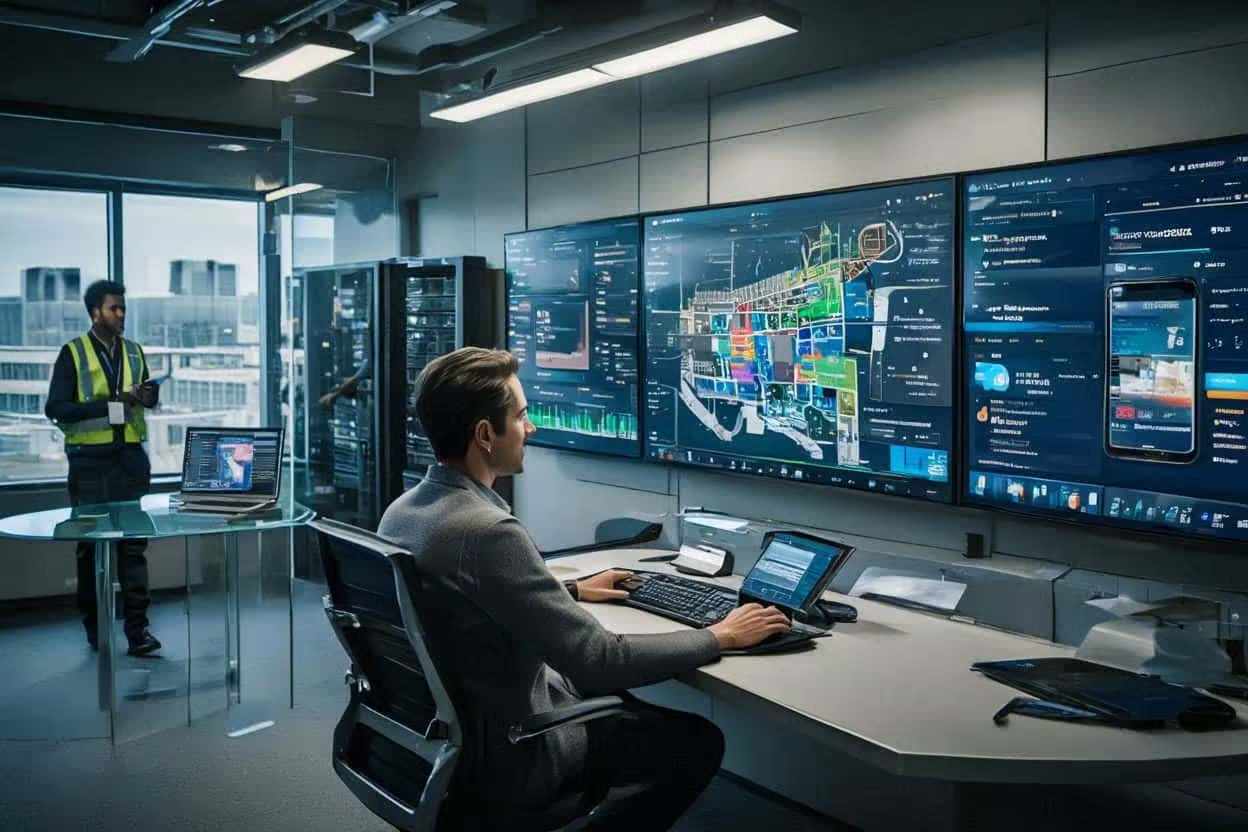
Tip: If you want to switch to digital building management in your company, you should familiarize yourself with the various solutions available. The right software can help you save costs while increasing efficiency!
Now is the time to delve deeper into the subject and find out exactly how CAFM technology has revolutionized the way we operate facility management. Get ready for an exciting journey through the world of digital facility management!
What is Computer-Aided Facility Management?
Computer-aided facility management, or as the cool kids say: CAFM, is the secret magic trick that modern facility managers use to master their tasks efficiently and effectively. It involves using software solutions to optimize all aspects of building management. From space planning to maintenance management – CAFM technology is the Swiss Army knife for facility managers.
At its core, computer-aided facility management is about managing buildings and their operations through digital tools. These tools not only help in managing properties but also in analyzing data, leading to better decision-making. Here are some key points that shed more light on the concept:
- Centralized Data Management: All relevant building information is stored in one place, making it easily accessible.
- Efficient maintenance planning: Maintenance planning tools allow for timely scheduling of maintenance work, minimizing downtime.
- Resource Optimization: FM data analysis tools enable better resource planning and management.
- Energy efficiency solutions: CAFM systems support the monitoring and optimization of energy consumption.
A good computer-aided facility management system integrates various functions such as space occupancy management systems and asset management systems into a user-friendly interface. This not only simplifies the daily work of facility managers but also ensures better utilization of space management software and infrastructure management software.
It has never been easier to create digital work environments in the FM sector. The integration of IoT in facility management, for example, makes it possible to transform buildings into intelligent spaces that respond to the needs of their users. If that doesn't sound futuristic!
In summary, computer-aided facility management is more than just a trend – it is a necessity in today's fast-paced world of real estate management. Those who don't jump on the bandwagon could quickly fall behind!
The Role of CAFM Software in Modern Facility Management
In the dynamic world of facility management, CAFM Software is more than just a tool – it is the core that holds everything together. But what exactly makes this software so indispensable? Let's dive in!
Definition and Functions of CAFM Software
Computer-Aided Facility Management (CAFM) refers to technologies that help facility managers manage their tasks more efficiently. These software solutions offer a variety of functions, including:
- Space planning tools: Optimization of space utilization and planning of room occupancy.
- Maintenance planning tools: Proactive maintenance strategies to prevent unexpected failures.
- Energy efficiency solutions: Monitoring and analysis of energy consumption to reduce costs and environmental impact.
- Data analysis tools: Evaluation of operational data to improve decision-making.
Benefits of Implementing CAFM Solutions
The introduction of CAFM software brings numerous benefits that directly impact the efficiency and effectiveness of facility management:
- Cost savings: Through optimized processes, companies can achieve significant savings.
- Time Savings: Automated workflows significantly reduce the time spent on routine tasks.
- Better resource management: With a central database, managers have all information at a glance.
- Faster response times: Real-time data allows problems to be identified and resolved immediately.
Fun Fact: According to a study, over 70% of companies in Germany are already using CAFM software to optimize their operational processes!
By using CAFM technology, not only is efficiency increased, but the quality of services is also improved. Imagine your building could function like a well-oiled clockwork – that's exactly what modern CAFM software enables!
Technological Innovations and Trends in Facility Management
The world of computer-aided facility management is like a dynamic puzzle that constantly receives new pieces. Digital transformation has revolutionized the way Facility Management is operated. Here are some of the most exciting technological innovations and trends you shouldn't miss:
-
Digital Transformation in Facility Management
Digitalization has not only made Facility Management more efficient, but has also changed the way data is managed and analyzed. With modern Facility Management Softwaresolutions, companies can now monitor and optimize their operations in real-time.
-
IoT in Facility Management
The Internet of Things (IoT) has paved the way for smart buildings. Sensors continuously collect data on energy consumption, space occupancy, and maintenance needs. This information is then integrated into CAFM Software to make informed decisions.
-
Smart Building Solutions and Their Impact
Smart buildings are not just a trend – they are the future! By using technologies like building automation control systems, companies can save energy, increase user comfort, and simultaneously reduce operating costs. These systems enable seamless integration with existing infrastructures.
-
Energy efficiency solutions
Energy efficiency is a central concern in modern Facility Management. With innovative energy management platforms, companies can monitor and optimize their energy consumption. This not only leads to cost savings but also supports sustainable practices.
-
Digital Work Environments in FM
The creation of digital work environments enables teams to collaborate more efficiently. Tools for space management and resource management solutions promote flexible use of office spaces and improve employee satisfaction.
Tip: If you are looking for ways to optimize your Facility Management processes, you should consider integrating IoT technologies!
Overall, these trends show that digitalization in Facility Management is unstoppable. The implementation of technologies like CAFM software will be crucial for companies that want to remain competitive.
A recent study shows that companies with digitized FM processes can save up to 20% of their operating costs.
So, stay up-to-date – because the next step in your FM journey might be right in front of you!
Energy Efficiency and Sustainable Building Management through CAFM Technology
In today's world, where energy efficiency and sustainability are not just buzzwords but real requirements, plays a CAFM technology a crucial role. Through the use of computer-aided facility management building management becomes not only more efficient but also more environmentally friendly.
How exactly does CAFM software help us with this? Here are some exciting approaches:
- Energy efficiency solutions: With modern Building Information Systems Facility managers can monitor energy consumption in real-time. This means that inefficient systems can be immediately identified and optimized.
- Sustainable Facility Management Software Solutions: These software solutions offer integrated functions for analyzing energy consumption and planning maintenance work. This ensures that all systems run optimally and do not consume unnecessary resources.
An example of successful implementation is the company XYZ, which was able to reduce its energy consumption by 20% through the use of CAFM software. This impressively shows how digital solutions can contribute to increasing efficiency in facility management.
Did you know? According to a study by the Facility Management Institute, the use of digital building management systems can reduce operating costs by up to 30%!
Another important aspect is the integration of IoT technologies into facility management. Sensors can collect data on temperature, lighting conditions, and occupancy and forward it to the CAFM systems. This data enables precise control of building technology and helps to further optimize energy consumption.
Ultimately, it's not just a matter of efficiency – it's also about responsibility towards our environment. With the right CAFM software, sustainable facility management not only becomes possible but a standard that every facility manager should strive for.
Optimizing Operations with Digital Tools
In today's world, Optimization of Operational Management is hardly imaginable without digital tools. The integration of computer-aided facility management (CAFM) technologies is revolutionizing not only the way we manage buildings but also the efficiency of our operational processes. Let's take a look at how digital tools take operational management to the next level.
Operations Management Systems and Their Benefits
Operating management systems are the backbone of any successful facility management strategy. They enable companies to monitor and control all aspects of their operations. Here are some benefits:
- Real-time data analysis: With modern FM data analysis tools, decision-makers can react immediately to changes.
- Cost savings: Through preventive maintenance planning, costly failures can be avoided.
- Improved Communication: Digital platforms promote exchange between different departments and stakeholders.
Maintenance Planning Tools for Increased Efficiency
One of the biggest problems in facility management is the inadequate maintenance of assets. Maintenance planning tools help overcome this challenge:
- Automated Reminders: These tools send notifications for upcoming maintenance work, so nothing is overlooked.
- Data-driven decisions: Analysis of maintenance histories enables informed decisions about future investments in equipment.
- Cost-effectiveness: Well-planned maintenance not only reduces downtime but also significantly lowers repair costs.
FM Data Analysis Tools for Decision Making
Data is the new gold in facility management. Utilizing FM data analysis tools can make the difference between a reactive and a proactive approach:
- Energy efficiency solutions: By analyzing energy consumption, companies can reduce their energy costs and operate more sustainably.
- Equipment Monitoring Systems: These systems provide real-time insights into the condition of equipment and help in the early detection of problems.
- Better resource utilization: Through data analysis, the use of spaces can be optimized, leading to more efficient space utilization.
Integrating CAFM Systems into Existing Infrastructures
The integration of CAFM systems into existing infrastructures is a crucial step for any organization that wants to unlock the full potential of computer-aided facility management It's like adding a new, powerful engine to an already functioning vehicle – the base remains, but the performance is significantly enhanced.
Here are some key factors and strategies to consider when integrating CAFM software into existing systems:
- Integration solutions for FM systems: The selection of the right integration solutions is crucial. These solutions should seamlessly communicate with existing Operational systems, Real estate management software and other relevant tools.
- Data-driven facility management: A data-driven approach enables companies to gain valuable insights from their operational data. By analyzing data from various sources, trends can be identified and informed decisions can be made.
- Collaboration between departments: Successful integration often requires close collaboration between different departments. IT, facility, and finance teams must work together to ensure that all systems are compatible and operate efficiently.
- Software adaptability: When selecting CAFM software, attention should be paid to its adaptability. Flexibility is important to keep pace with the constantly changing requirements of facility management.
Tip: Start with a thorough analysis of your existing infrastructure. Identify weaknesses and areas where CAFM technology can provide added value.
A common misconception when integrating CAFM systems is the assumption that it is a one-time process. In reality, it is a continuous journey. Technologies evolve, and your integration strategies should too.
Ultimately, a well-thought-out integration can not only increase efficiency but also enhance user satisfaction and maximize the value of your properties. So, if you are ready to take the next step in digitizing your facility management, remember: the right integration is the key to success!
Future Outlook: The Evolution of Facility Management through Technology
The future of Computer-Aided Facility Management (CAFM) looks promising, and this is largely due to the continuous development of new technologies. In a world where everything is becoming smarter, facility managers are no longer just building administrators; they are the architects of digital work environments.
With the introduction of Building Information Systems (BIM) and IoT in Facility Management companies can now collect and analyze data in real-time. These technologies enable proactive maintenance and more efficient resource utilization. Imagine your buildings could independently detect when maintenance is needed – this is no longer a science fiction scenario, but reality!
Did you know? According to current studies, the integration of IoT technologies into facility management can reduce operating costs by up to 30%!
Adapting to New Technologies and Trends
Facility managers must constantly adapt and evolve to keep pace with the latest technologies. The use of CAFM Software is increasingly becoming the norm, as it not only increases efficiency but also enables better decision-making.
Potential for Future Developments in FM
The future of facility management will also be shaped by advancing automation. With the help of advanced Maintenance planning tools, which utilize AI, companies can develop preventive maintenance strategies before problems arise. This means less downtime and higher operational efficiency.
Furthermore, the importance of sustainable solutions in building management will increase. Software solutions for sustainable facility management help to optimize energy consumption and promote environmentally friendly practices.
In summary: The future of computer-aided facility management is not only exciting – it is crucial for the success of modern companies. Those who invest today and are ready for change will be at the forefront tomorrow.
Conclusion
The revolution of facility management through CAFM technology is not just a trend, but a necessity for companies that want to remain competitive in today's digital world. The implementation of computer-aided facility management offers numerous benefits, from increased efficiency and cost reduction to improved energy efficiency. In a time when sustainability and resource conservation are paramount, Energy efficiency solutions and sustainable facility management software solutions are indispensable.
With the right tools, such as Maintenance planning tools, FM data analysis tools and Space planning tools, facility managers can not only keep an overview of their resources but also make strategic decisions based on real data. The digital transformation in facility management opens up new possibilities for optimizing operational management systems and integrating innovative technologies.
Takeaway: The future of facility management lies in the seamless integration of CAFM systems into existing infrastructures. Companies should proactively adopt these technologies to increase their efficiency and face the challenges of modern building management.
To fully leverage the potential of CAFM technology, it is crucial to stay continuously informed about new developments and be prepared to make adjustments. The world of facility management will continue to evolve – be ready to be part of this exciting journey!
