Economy

CAFM-Blog.de | Asset Management: Software for Sustainable Buildings

Asset Management: Software for Sustainable Buildings

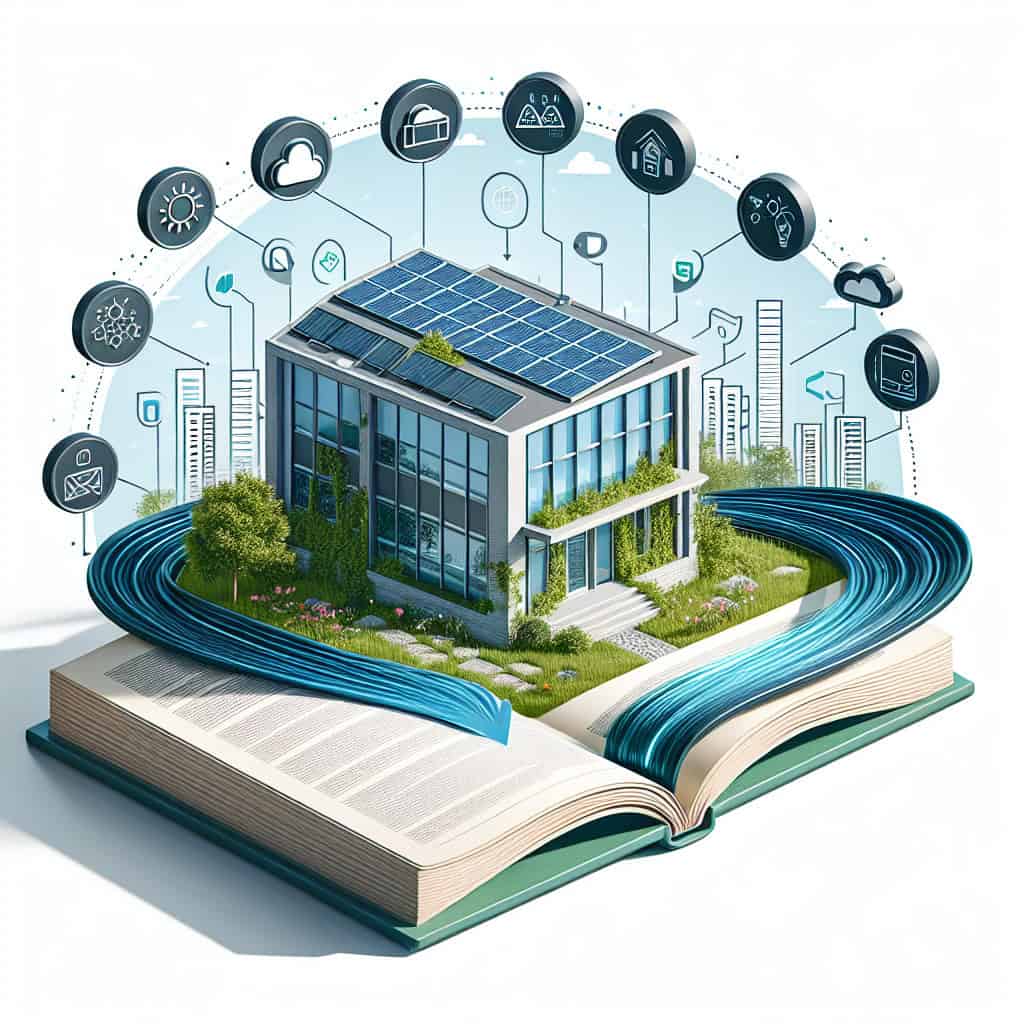
In a world that is increasingly environmentally conscious, sustainability is gaining importance in all areas of the economy. Facility Management plays a crucial role in this, especially through the use of asset management software. These solutions not only help increase efficiency but also achieve sustainability goals. In this guide, you will learn how CAFM software and other technologies can help manage and operate sustainable buildings. What is asset management software? [...]

Asset Management: Software for Sustainable Buildings Read more »

CAFM-Blog.de | Long-Term Strategies: How to Make Your Company More Sustainable with the Right Legal Structure

Long-Term Strategies: How to Make Your Company More Sustainable with the Right Legal Form

Choosing the right legal form is one of the most fundamental decisions for any entrepreneur in Germany. Whether you are founding a startup or restructuring an existing company – the legal forms in Germany offer a variety of options. From the AG (stock corporation) to the GmbH (limited liability company) to the OHG (general partnership), KG (limited partnership), and sole proprietorship: each legal form has its own advantages and disadvantages that can significantly influence your business strategy. Did you know, for example,

Long-Term Strategies: How to Make Your Company More Sustainable with the Right Legal Form Read more »

CAFM-Blog.de | The Role of Artificial Intelligence in the German Economy

The Role of Artificial Intelligence in the German Economy

Artificial intelligence (AI) has become one of the most significant topics in the technology and business world in recent years. It encompasses a wide range of technologies that enable machines to develop human-like capabilities, such as learning, problem-solving, and decision-making. The origins of AI date back to the 1950s, when scientists began developing algorithms that allowed computers to perform simple tasks. Since then, the

The Role of Artificial Intelligence in the German Economy Read more »

CAFM-Blog.de | The Future of Cloud Technology: Innovation and Growth

The future of cloud strategies

Cloud strategies are a central component of modern corporate IT. They enable companies to optimize their IT infrastructure, reduce costs, and react more flexibly to market demands. By using cloud services, companies can improve their agility and scalability as well as increase their operational efficiency. Cloud technology offers access to innovative solutions such as artificial intelligence, machine learning, and big data analytics. These technologies enable companies to remain competitive and tap into new business opportunities.

The future of cloud strategies Read more »

CAFM-Blog.de | Sustainable IT: The Green Revolution in the Technology Industry

ESG Rating: More Successful Through Sustainability?

ESG rating refers to the evaluation of companies regarding their performance in the areas of Environmental, Social, and Governance. This tool enables a systematic analysis of a company's sustainability aspects and is gaining increasing importance for investors pursuing sustainable investment strategies. The rating is based on a variety of criteria covering the three main areas: Environment: CO2 emissions, resource consumption, waste management Social: working conditions, human rights, product responsibility Corporate Governance: transparency, anti-corruption, remuneration structures Specialized rating agencies collect and analyze

ESG Rating: More Successful Through Sustainability? Read more »

CAFM-Blog.de | Efficient Urban Processes with CAFM Integration

IT Planning Council: Strategic Planning for IT Development

The IT Planning Council is a central coordinating body for information technology in Germany's public administration. It was founded in 2010 and consists of representatives from the federal government and the 16 federal states. Its main tasks include strategic planning and control of IT development, as well as promoting digitization in the public sector. The IT Planning Council develops common standards and guidelines to improve the interoperability and efficiency of IT systems at federal, state, and municipal levels. It makes

IT Planning Council: Strategic Planning for IT Development Read more »

CAFM-Blog.de | Sustainability Report: Transparency and Responsibility

Sustainability Report: Transparency and Responsibility

Sustainability reporting is a central element of modern corporate management. It enables companies to systematically record and communicate their performance and strategies in the areas of environment, social affairs, and corporate governance (ESG). This form of reporting has gained considerable importance in recent years, as companies increasingly recognize and assume their responsibility in ecological and social matters. Sustainability reporting covers a broad spectrum of topics, including climate protection, resource efficiency, working conditions, diversity,

Sustainability Report: Transparency and Responsibility Read more »

CAFM-Blog.de | Green Financing: Sustainable Investments

Green Financing: Sustainable Investments

Green financing is a concept focused on providing capital for environmentally friendly projects and companies. This form of financing aims to promote ecological sustainability while generating financial returns. Common instruments of green financing include green bonds, sustainable investment funds, green loans, and environmental stocks. In recent years, the importance of green financing has increased significantly. This is due to a growing awareness of environmental issues

Green Financing: Sustainable Investments Read more »

CAFM-Blog.de | The Power of Big Data: How Data Shapes the Future

The Power of Big Data: How Data Shapes the Future

Big Data refers to the processing and analysis of data volumes that cannot be handled by conventional data processing methods due to their size, complexity, and growth rate. This data comes from various sources such as social media, business transactions, the Internet of Things (IoT), and industrial systems. Big Data is often characterized by the “3 V’s”: Volume (data quantity), Velocity (speed of data generation and processing), and Variety (diversity of data formats). The analysis of Big Data enables companies

The Power of Big Data: How Data Shapes the Future Read more »

CAFM-Blog.de | The Power of Hyperscalers: How they dominate the digital landscape

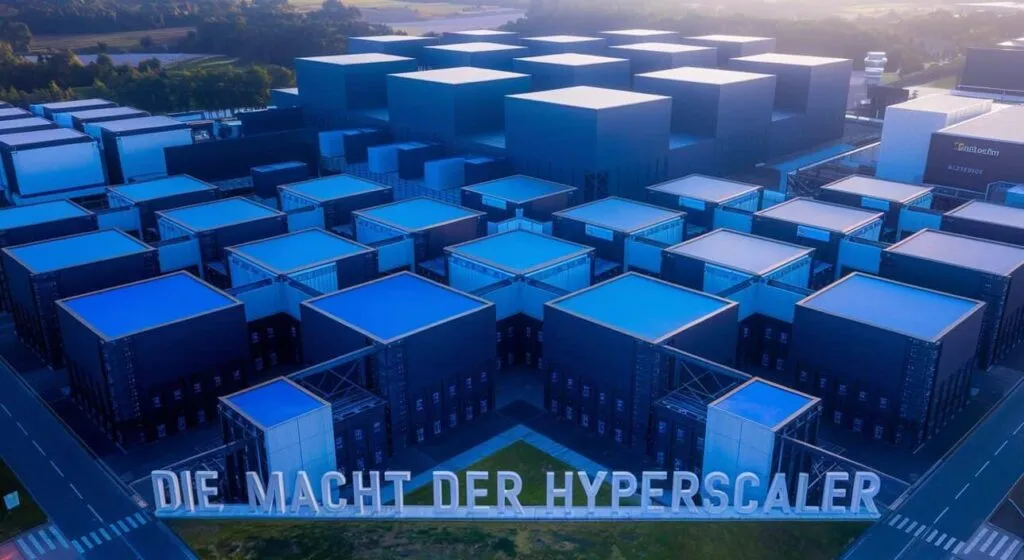
The Power of Hyperscalers: How They Dominate the Digital Landscape

Hyperscalers are companies that operate large data centers and offer cloud computing services. They possess extensive infrastructure and provide a wide range of services such as storage, computing power, and databases. These companies are crucial for the digital transformation of organizations, as they enable the optimization of IT infrastructures, cost reduction, and increased operational flexibility. Hyperscalers have a significant impact on the economy and society. They generate jobs, promote innovation

The Power of Hyperscalers: How They Dominate the Digital Landscape Read more »

CAFM-Blog.de | VAT obligation for electronic services: What does §2b UStG mean?

VAT obligation for electronic services: What does §2b UStG mean?

The VAT obligation for electronic services according to § 2b UStG is a central regulation in German tax law. It defines the tax obligations for companies that provide electronic services. Electronic services are understood as digital products and services provided via electronic networks. This regulation has far-reaching implications for the tax treatment of companies in the digital sector. § 2b UStG specifically regulates the VAT obligation for legal entities under public law that

VAT obligation for electronic services: What does §2b UStG mean? Read more »

CAFM-Blog.de | Effective DevOps Practices for Successful Software Development

Effective DevOps Practices for Successful Software Development

DevOps is a methodology in software development that promotes the integration of development and IT operations. The goal is to accelerate the software development process and improve the quality of software products. Core elements of DevOps are automation, continuous integration and deployment (CI/CD), and constant monitoring. DevOps strives for close collaboration between development and operations teams to break down silos and enable more efficient ways of working. By implementing DevOps practices, companies can

Effective DevOps Practices for Successful Software Development Read more »

CAFM-Blog.de | Business Taxation: LLC, Sole Proprietorship, and Freelance Professions

Corporate Tax: GmbH, Sole Proprietorship, and Freelance Professions

Corporate taxes are a central source of revenue for the state to finance public spending. They are levied on corporate profits and income, with the amount varying depending on the legal form and industry. The tax burden has significant effects on the financial situation of companies, which is why a thorough examination of tax aspects and possible optimization strategies is essential. In Germany, corporate taxation is based on the Income Tax Act (EStG) and the Corporate Tax Act (KStG). Capital companies such as GmbHs are subject to

Corporate Tax: GmbH, Sole Proprietorship, and Freelance Professions Read more »

CAFM-Blog.de | What You Need to Know About Semiconductors

What You Need to Know About Semiconductors

Semiconductors are a class of materials with special electrical properties that lie between those of conductors and insulators. They enable precise control of electric current and are therefore indispensable for modern electronic applications. The most important semiconductor materials are silicon and germanium, which belong to the fourth main group of the periodic table. The electrical conductivity of semiconductors can be influenced by doping, i.e., the targeted introduction of foreign atoms. This creates n-doped (electron surplus) or p-doped (electron deficiency) semiconductors.

What You Need to Know About Semiconductors Read more »

CAFM-Blog.de | Sustainable Urban Development: The Future of Cities

Sustainable Urban Development: The Future of Cities

Sustainable urban development is a comprehensive concept for planning and designing cities that considers ecological, social, and economic aspects. The goal is to meet the needs of the present generation without compromising the ability of future generations to meet their own needs. The main goals of sustainable urban development include: Creating environmentally friendly and energy-efficient cities Promoting social justice and inclusion Generating sustainable jobs and economic growth Conserving natural resources and biodiversity This approach aims to improve the quality of life

Sustainable Urban Development: The Future of Cities Read more »

Scroll to Top