security

CAFM-Blog.de | AI Applications in Facility Management: Increasing Efficiency through Intelligent Technology

AI Applications in Facility Management: Increasing Efficiency through Intelligent Technology

The integration of artificial intelligence (AI) into facility management has increased significantly in recent years. AI technologies enable more efficient management and optimization of buildings and facilities. In facility management, AI uses algorithms and machine learning for data analysis, pattern recognition, and forecasting. Areas of application include building automation, energy management, predictive maintenance, and space planning. The implementation of AI solutions promises an increase in operational efficiency, a reduction in operating costs, and an improvement in user experience. Given the increasing [...]

AI Applications in Facility Management: Increasing Efficiency through Intelligent Technology Read more »

CAFM-Blog.de | The Future with Edge Computing

The Future with Edge Computing

Edge computing is a concept in information technology that moves data processing and analysis closer to the location where the data is generated. Instead of sending data to remote data centers, processing takes place directly at the edge of the network, close to the end devices or sensors. This enables faster data processing and reduces the volume of data to be transmitted. This technology is particularly important in areas that require real-time processing and low latency, such as Industry 4.0, Internet of Things

The Future with Edge Computing Read more »

CAFM-Blog.de | The Power of Big Data: How Data Shapes the Future

The Power of Big Data: How Data Shapes the Future

Big Data refers to the processing and analysis of data volumes that cannot be managed by conventional data processing methods due to their size, complexity, and growth rate. This data comes from various sources such as social media, business transactions, the Internet of Things (IoT), and industrial systems. Big Data is often characterized by the "3 Vs": Volume (data quantity), Velocity (speed of data generation and processing), and Variety (diversity of data formats). The analysis of Big Data enables companies

The Power of Big Data: How Data Shapes the Future Read more »

CAFM-Blog.de | The Future with Edge Computing

The Advantages of Virtualization in IT

Increasing efficiency through resource optimization is a key factor in the IT infrastructure of modern companies. Virtualization technologies enable improved resource utilization and maximum server utilization. This leads to more efficient use of existing hardware and optimization of the IT infrastructure without additional purchases. Server consolidation and application virtualization can reduce operating costs and increase IT system performance. Another advantage of resource optimization is the minimization of downtimes. Server virtualization enables redundancies and increases reliability, ensuring business processes can continue uninterrupted.

The Advantages of Virtualization in IT Read more »

CAFM-Blog.de | The Advantages of Cloud Computing

The Advantages of Cloud Computing

Cloud computing is a technology concept that enables the provision of IT resources over the internet. Users can access computing power, storage capacities, and applications without having to maintain them locally. Key benefits include cost efficiency, scalability, location-independent access, automatic updates, and improved collaboration opportunities. There are three primary service models: Infrastructure as a Service (IaaS): Provision of virtualized computer resources over the internet. Platform as a Service (PaaS): Development environments for the creation and deployment of

The Advantages of Cloud Computing Read more »

CAFM-Blog.de | Efficient Property Management with CAFM Software

Efficient Building Management with CAFM Software

Building management is an essential area of the real estate industry, encompassing the efficient administration and optimal operation of buildings. It includes a wide range of tasks aimed at ensuring the functionality, economic efficiency, and value retention of properties. Core tasks include, among others, regular maintenance, professional cleaning, ensuring safety, efficient energy supply, as well as numerous other aspects of facility management. Given the complexity and diversity of these tasks, many

Efficient Building Management with CAFM Software Read more »

CAFM-Blog.de | Performance & Flexibility: CAFM Hosting for Successful Facility Management

Performance & Flexibility: CAFM Hosting for Successful Facility Management

CAFM hosting, also known as Computer Aided Facility Management hosting, is a central component in modern facility management. It enables companies to operate their facility management software in a cloud environment. This offers several advantages: 1. Increased efficiency and optimized resource utilization 2. Improved performance and scalability 3. Access to a variety of specialized functions and services 4. Reduction of operating costs 5. Automatic updates and security updates CAFM hosting helps to streamline facility management processes

Performance & Flexibility: CAFM Hosting for Successful Facility Management Read more »

CAFM-Blog.de | Amazon AWS, Azure and Oracle: Cloud and Data Services

Amazon AWS, Azure, and Oracle: Cloud and Data Services

Amazon Web Services (AWS) is a leading cloud platform that offers a wide range of services. These include computing, databases, storage, and content delivery. AWS enables companies to move their IT infrastructure to the cloud and benefit from scalability, flexibility, and cost efficiency. The platform is used by companies of various sizes and industries. AWS offers numerous services that allow companies to run applications and workloads in the cloud without having to worry about the

Amazon AWS, Azure, and Oracle: Cloud and Data Services Read more »

CAFM-Blog.de | Integration of Low-Code/No-Code in IT Infrastructures

Integration of Low-Code/No-Code in IT Infrastructures

Low-code/no-code is an innovative development method in software creation. This method enables the development of applications with minimal or no programming. Low-code development uses visual development tools that allow users to create applications by assembling pre-built components. No-code development goes a step further, enabling even individuals without technical expertise to create applications using predefined templates and visual tools. In recent years, the low-code/no-code movement has gained significant importance

Integration of Low-Code/No-Code in IT Infrastructures Read more »

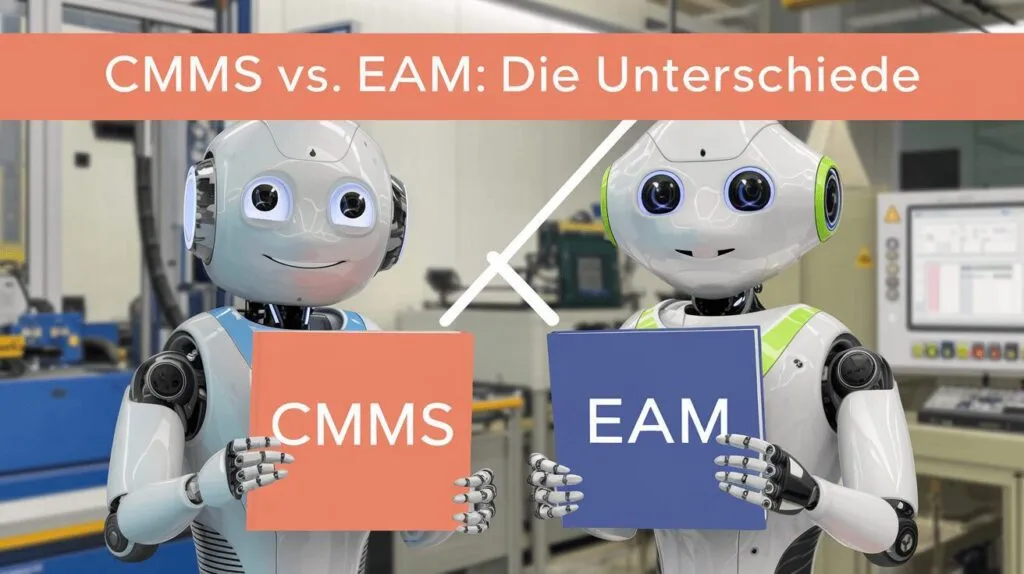
CAFM-Blog.de | CMMS vs. EAM: The Differences

CMMS vs. EAM: The Differences

Software integration is a central aspect of modern information technology. It enables seamless interaction between different applications and systems. Through integration, companies can increase their efficiency and productivity by optimizing the exchange of data and processes between different systems. A significant advantage of software integration is the ability to improve existing systems and introduce new technologies without having to completely redesign the IT infrastructure. This makes

CMMS vs. EAM: The Differences Read more »

CAFM-Blog.de | Efficient Property Management with CAFM Software

Efficient CAFM Software for Large Companies

Computer Aided Facility Management (CAFM) software is an essential tool for large companies to efficiently manage their real estate and facility management processes. This software enables effective management of properties and facilities, optimization of maintenance processes, planning and monitoring of resources, and ensuring compliance with legal regulations. CAFM software provides important data and analyses to support informed decisions and increase operational efficiency. In the digital age, the use of

Efficient CAFM Software for Large Companies Read more »

CAFM-Blog.de | Best Practice: Maintenance Manual for Standardization

Best Practice: Maintenance Manual for Standardization

The maintenance manual is an essential tool for companies to optimize and standardize their maintenance processes. It functions as a comprehensive guide for the planning, execution, and monitoring of maintenance work and significantly contributes to increasing efficiency and reducing costs. Typically, maintenance manuals include detailed information on maintenance processes, policies, and procedures. They serve as a reference for maintenance personnel and support ensuring the quality and reliability of plants and machinery. The relevance

Best Practice: Maintenance Manual for Standardization Read more »

CAFM-Blog.de | Efficient Property Management with CAFM Software

Best Practices for Effective CAFM Utilization

Computer Aided Facility Management (CAFM) software is a powerful tool for the efficient management of real estate and technical facilities. This software solution offers a range of functions that support facility managers in carrying out their tasks. Key functions include: – Resource management – Maintenance planning – Inventory tracking – Optimization of operational processes CAFM software can contribute to cost reduction, productivity increase, and safety improvement. The implementation of CAFM software requires careful planning and preparation. Important steps include:

Best Practices for Effective CAFM Utilization Read more »

CAFM-Blog.de | The Future of Hybrid Work Models: Flexibility and Efficiency

The Future of Hybrid Work Models: Flexibility and Efficiency

The world of work has undergone a significant transformation in recent years, with hybrid work models gaining increasing importance. These models combine the advantages of office work with the possibilities of remote work. Employees can therefore design their working hours and location more flexibly, which potentially leads to an improved work-life balance. Companies have found that hybrid work models not only increase employee satisfaction but can also have positive effects on productivity and efficiency. The

The Future of Hybrid Work Models: Flexibility and Efficiency Read more »

CAFM-Blog.de | What Does an Operational Audit Mean?

Risks and Opportunities of Low-Code/No-Code Platforms

Low-code/no-code platforms are development tools that enable the creation of applications with minimal or no manual programming. These technologies aim to accelerate the development process and reduce reliance on extensive programming knowledge. Low-code platforms offer a visual development environment where users can create applications by assembling pre-built components. No-code platforms go a step further, enabling application creation without any programming knowledge through the use of templates and visual tools. These platforms have

Risks and Opportunities of Low-Code/No-Code Platforms Read more »

Scroll to Top