Infrastructure

CAFM-Blog.de | Challenges in Implementing BIM in Administration

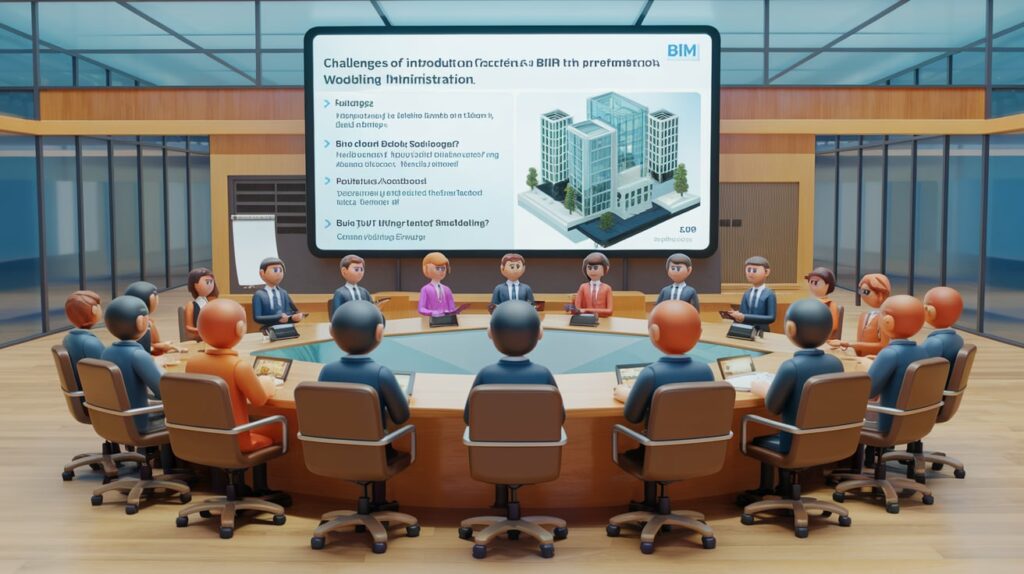
Challenges in introducing BIM in administration

The implementation of Building Information Modeling (BIM) in public administration presents a complex challenge that requires in-depth knowledge of the technology and its application possibilities. BIM is a digital representation of the physical and functional characteristics of a structure. This method enables comprehensive planning, control, and management of construction projects throughout their entire lifecycle. In the context of public administration, this includes the phases of planning, construction, operation, and […]

Challenges in introducing BIM in administration Read more »

CAFM-Blog.de | The Future with Edge Computing

The Advantages of Virtualization in IT

Efficiency gains through resource optimization are a central factor in the IT infrastructure of modern companies. Virtualization technologies enable improved resource utilization and maximum server utilization. This leads to more efficient use of existing hardware and optimization of the IT infrastructure without additional purchases. Operating costs can be reduced and IT system performance increased through server consolidation and application virtualization. Another advantage of resource optimization is the minimization of downtime. Server virtualization enables redundancies and increases reliability, ensuring business processes continue uninterruptedly

The Advantages of Virtualization in IT Read more »

CAFM-Blog.de | The Advantages of Cloud Computing

The Benefits of Cloud Computing

Cloud computing is a technology concept that enables the provision of IT resources over the internet. Users can access computing power, storage capacities, and applications without needing to maintain them locally. Key benefits include cost efficiency, scalability, location-independent access, automatic updates, and improved collaboration capabilities. There are three primary service models: Infrastructure as a Service (IaaS): Provision of virtualized computer resources over the internet. Platform as a Service (PaaS): Development environments for creating and deploying

The Benefits of Cloud Computing Read more »

CAFM-Blog.de | Performance & Flexibility: CAFM Hosting for Successful Facility Management

Performance & Flexibility: CAFM Hosting for Successful Facility Management

CAFM hosting, also known as Computer Aided Facility Management hosting, is a central component in modern facility management. It allows companies to operate their facility management software in a cloud environment. This offers several advantages: 1. Increased efficiency and optimized resource utilization 2. Improved performance and scalability 3. Access to a variety of specialized functions and services 4. Reduction of operating costs 5. Automatic updates and security updates CAFM hosting helps to streamline facility management processes

Performance & Flexibility: CAFM Hosting for Successful Facility Management Read more »

CAFM-Blog.de | The Power of Hyperscalers: How They Dominate the Digital Landscape

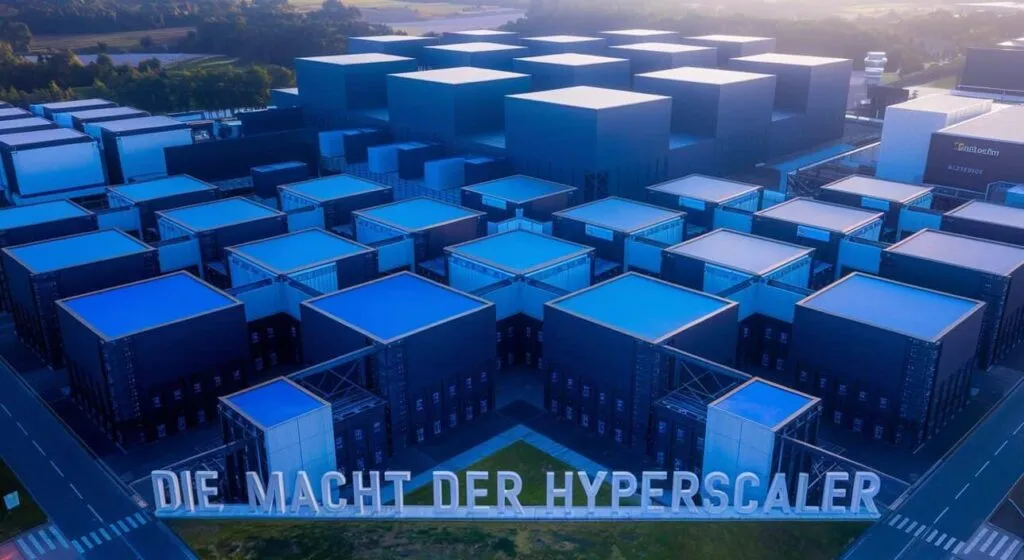
The Power of Hyperscalers: How They Dominate the Digital Landscape

Hyperscalers are companies that operate large data centers and offer cloud computing services. They possess extensive infrastructure and provide a wide range of services such as storage, computing power, and databases. These companies are crucial for the digital transformation of organizations, as they enable the optimization of IT infrastructures, cost reduction, and increased operational flexibility. Hyperscalers have a significant impact on the economy and society. They generate jobs, foster innovation

The Power of Hyperscalers: How They Dominate the Digital Landscape Read more »

CAFM-Blog.de | Amazon AWS, Azure and Oracle: Cloud and Data Services

Amazon AWS, Azure, and Oracle: Cloud and Data Services

Amazon Web Services (AWS) is a leading cloud platform that offers a wide variety of services. These include computing, databases, storage, and content delivery. AWS enables companies to move their IT infrastructure to the cloud and benefit from scalability, flexibility, and cost-efficiency. The platform is used by companies of various sizes and industries. AWS offers numerous services that allow companies to run applications and workloads in the cloud without having to worry about the

Amazon AWS, Azure, and Oracle: Cloud and Data Services Read more »

CAFM-Blog.de | CMMS vs. EAM: The Differences

CMMS vs. EAM: The Differences

Software integration is a central aspect of modern information technology. It enables seamless interaction between different applications and systems. Through integration, companies can increase their efficiency and productivity by optimizing the exchange of data and processes between different systems. A significant advantage of software integration is the ability to improve existing systems and introduce new technologies without having to undertake a complete redesign of the IT infrastructure. This makes

CMMS vs. EAM: The Differences Read more »

CAFM-Blog.de | Successful Implementation of a CAFM Solution

How to Successfully Implement a CMMS

A Computerized Maintenance Management System (CMMS) is a software-based solution for managing and optimizing maintenance processes in companies. It enables the systematic planning, execution, and documentation of maintenance activities for plants and equipment. The main functions of a CMMS include: 1. Asset Management: Recording and monitoring all assets and their technical data. 2. Maintenance Planning: Creating preventive and corrective maintenance plans. 3. Work Order Management: Generating, assigning, and tracking maintenance orders. 4. Spare Parts Management: Managing inventory

How to Successfully Implement a CMMS Read more »

CAFM-Blog.de | Reduce Costs: Effective Facility Management

Reduce Costs: Effective Facility Management

Facility management is an essential factor for cost optimization in companies. It enables a significant reduction in operating costs, leading to increased profitability and competitiveness. Strategically planned and implemented facility management maximizes the efficiency of buildings and facilities, optimizes resource utilization, and extends the lifespan of the infrastructure. Furthermore, it contributes to risk minimization and ensures workplace safety. The effective implementation of facility management requires a holistic approach,

Reduce Costs: Effective Facility Management Read more »

CAFM-Blog.de | The Importance of IT Security

Workplace Design in Hybrid Work Models

Hybrid work models have gained increasing importance in recent years. These models combine elements of remote work with traditional office work, allowing employees to flexibly divide their working time between working from home and being present in the office. The COVID-19 pandemic has accelerated the adoption of hybrid work models, as many companies were forced to introduce flexible working arrangements. Studies show that hybrid work models can offer benefits for both employers and employees. Companies can reduce office space and thus

Workplace Design in Hybrid Work Models Read more »

CAFM-Blog.de | What does an operational audit mean?

Increasing efficiency in Facility Management

Efficiency in facility management is a key factor for optimizing operating costs, increasing productivity, and improving customer satisfaction. Efficient facility management ensures optimal resource utilization and smooth workflows. Furthermore, an efficient facility management strategy can contribute to minimizing environmental impact and promoting sustainability. Efficiency in facility management is therefore an essential component for long-term business success. To increase efficiency in facility management, a thorough analysis of

Increasing efficiency in Facility Management Read more »

CAFM-Blog.de | Facility Management 4.0: Digital Transformation in Building Management

Technologies for Hybrid Work Models

Hybrid work models have gained increasing importance in the modern world of work. These models combine the structures of the traditional office workplace with the flexibility of remote work. Employees can thus shape their working hours and location more flexibly, which potentially leads to an improved work-life balance. Another advantage is the possible reduction of traffic volume and the associated environmental impact due to decreased commuter traffic. For companies, hybrid work models offer the advantage of expanded access to talent

Technologies for Hybrid Work Models Read more »

CAFM-Blog.de | What are Containers in Software Development?

What are Containers in Software Development?

Containerization is a technology for isolating applications and their dependencies into standardized units called containers. This method enables consistent deployment and scaling of software regardless of the underlying infrastructure. Containers are lightweight, portable, and autonomous units that ensure fast and uniform deployment of applications in different environments. The benefits of containerization include: 1. Consistent execution environment: Applications run in a standardized environment, independent of the host infrastructure. 2.

What are Containers in Software Development? Read more »

CAFM-Blog.de | The Future with Cloud-Native Applications

The Future with Cloud-Native Applications

Cloud-native applications are software solutions specifically designed for the cloud that optimally leverage the capabilities of cloud infrastructure. They are designed for operation in a dynamic and scalable environment and are characterized by high flexibility and agility. Unlike traditional applications developed for on-premise data centers, cloud-native applications are designed to fully exploit the benefits of cloud services such as automatic scaling, high availability, and elastic resource utilization. The development of cloud-native applications is often based

The Future with Cloud-Native Applications Read more »

CAFM-Blog.de | What You Need to Know About Trade Tax

What You Need to Know About Trade Tax

Trade tax is a municipal tax levied by companies and self-employed individuals on their business profit. It represents a significant source of income for municipalities and serves to finance local infrastructure and public services. The calculation is based on business profit, which is derived from company profit. The trade tax multiplier is set individually by each municipality and usually varies between 200% and 500%. As a municipal tax, the assessment and collection of trade tax are

What You Need to Know About Trade Tax Read more »

Scroll to Top